The News-Event Hesitation

Many traders stare at the flickering red and green candles during a CPI release and freeze while the price moves five percent. Observations at orb trading psychology emmcvpr suggest that this specific mental paralysis occurs when the data conflicts with the established intraday trend. This psychological friction often prevents a clean execution of an opening range breakout despite a clear signal appearing on the chart.
The Mechanics of Signal Conflict

High impact economic data creates immediate volatility that disrupts standard pattern recognition. A trader might see a bullish reaction to a softer inflation print, yet the price action fails to clear the previous session high. This creates a cognitive deadlock. The brain attempts to reconcile the macro news with the micro price movement. When the fifteen minute range expands violently in both directions, the mechanical ability to follow a plan degrades. The hesitation is not a lack of knowledge. It is a failure of the nervous system to process contradictory inputs during the first hour of trade.
Data versus Price Action
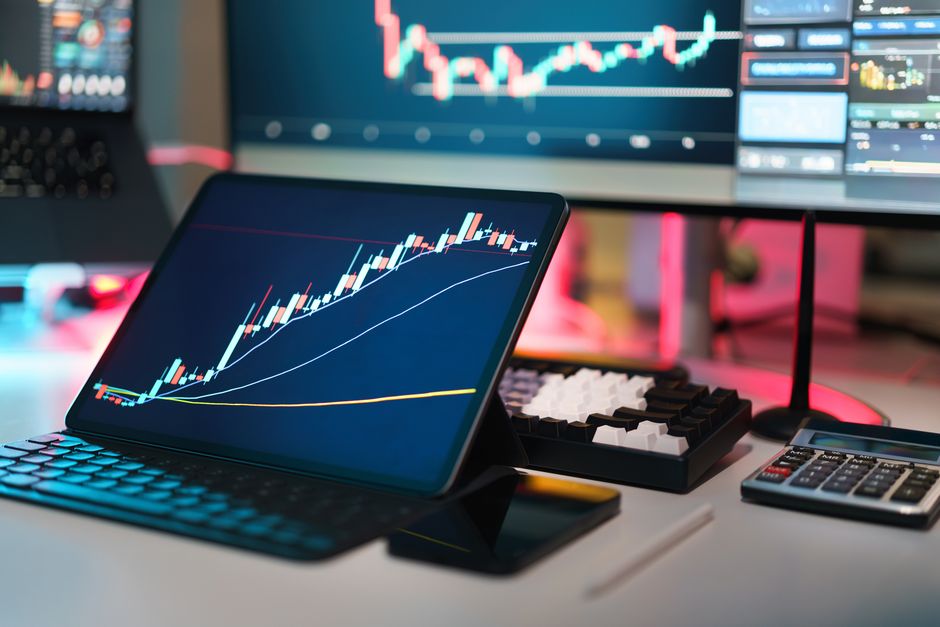
The market often ignores the fundamental implication of a news event in favor of liquidity grabs. A trader expecting a rally based on news may find themselves trapped in a fakeout. If the thirty minute range remains unsettled, the data becomes secondary to the order flow. Relying on the news alone leads to late entries. A disciplined approach prioritizes the price action within the timeframe over the headline. The news provides the fuel, but the price action provides the direction. Waiting for the noise to subside allows for a more objective entry once the initial shock passes.
The Trap of the First Fifteen Minutes
Volatility during the first fifteen minutes of the cash open often produces false signals. These spikes are frequently designed to hunt liquidity sitting just outside the opening range. A trader who enters on the first impulse often finds themselves on the wrong side of a reversal. The hesitation stems from the inability to distinguish between a legitimate trend shift and a momentary liquidity hunt. Observing how the price reacts to the initial volatility helps filter these traps. A confirmed move requires sustained volume and a close above the initial volatility boundaries.
Refining the Execution Window
Mechanical execution requires a strict adherence to specific time frames. Instead of reacting to every tick, the work focuses on the sixty minute range to establish a baseline. If the price remains trapped within the opening volatility, the edge is neutralized. The hesitation vanishes when the decision is moved from the moment of the news to the moment of the price confirmation. Success in these high volatility windows depends on the ability to ignore the headline and wait for the candle close. A disciplined trader waits for the volatility to compress before committing capital to a direction.