The Measured Move Exit
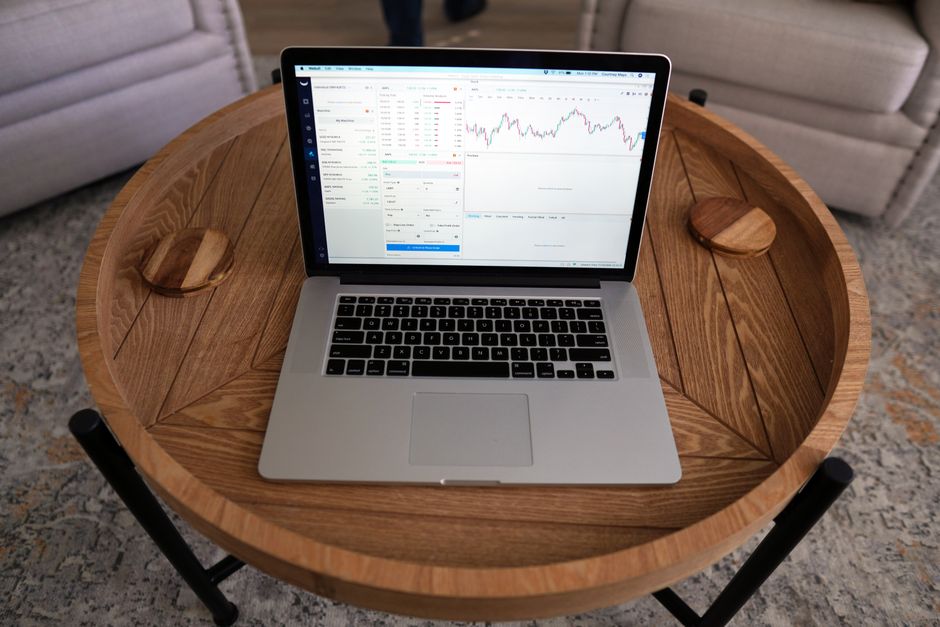
Success in intraday execution does not depend on intuition, as noted in the observations at orb trading psychology emmcvpr regarding the mechanics of price movement. A disciplined approach to the opening range breakout requires a hard exit strategy to prevent the reversal of gains. Trading becomes a battle against the impulse to hold a position past its mathematical probability. Most failures stem from the inability to separate a momentary trend from a measured objective.
The Mechanics of the Measured Move

A measured move relies on the volatility observed during the first fifteen minutes of the session. By calculating the distance between the high and low of that initial period, a specific price target is established. This target is not a suggestion. It is a mathematical projection of the momentum established at the cash open. Relying on a 5 minute chart to identify the initial expansion provides the necessary data to set the limit order. Once the target is set, the trade is complete when the price arrives. There is no room for negotiation with the tape.
The Psychological Trap of Trend Following

The urge to ride a trend indefinitely arises when price approaches the target. The dopamine response to seeing a larger unrealized profit often overrides the original plan. This behavior ignores the fact that the opening range sets the boundaries for the day. When a move extends significantly beyond the measured target, the probability of a mean reversion increases. Holding past the target transforms a high probability setup into a speculative gamble. The math of the session high suggests that exhaustion often follows a rapid expansion from the opening bell.
Executing the Exit Mechanically
Profit taking must be automated. Waiting for a visual signal on a 15 minute timeframe introduces hesitation. Hesitation leads to slippage. A limit order placed at the calculated level ensures the capture of the intended move. If the price moves through the target without a pause, the position is already closed. Leaving the trade open to see if it continues is a violation of the system. The objective is to capture the measured expansion, not to predict the entire daily range.
Managing the Timeframe
Different traders use different scales, but the principle remains identical. Whether using a 30 minute range or a 60 minute range, the exit must remain fixed. A small sample overstates the edge if the exit is inconsistent. The data shows that the most profitable sessions are those where the trader exits at the predefined level. Trying to time the exact peak of a move is a losing endeavor. Stick to the numbers derived from the first hour of trading.